
 Back
Back
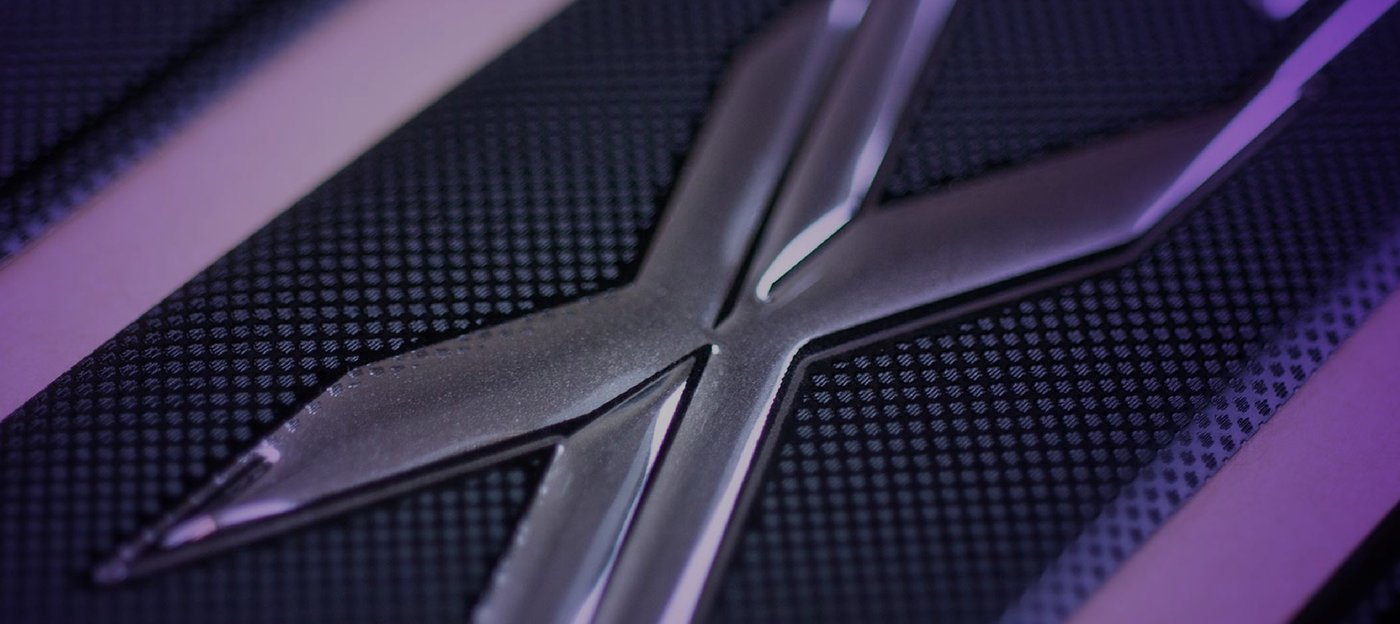

We often think of labels as a way to display a logo or add branding to a product. But labels can do much more than that. Depending on the application, a label can provide important information, improve usability, identify components, or help a product withstand demanding environments.
Throughout my years here, I've found that understanding the difference between decorative and functional labels can help manufacturers make better decisions about what a product needs and how its labeling should perform.
What Is a Decorative Label?
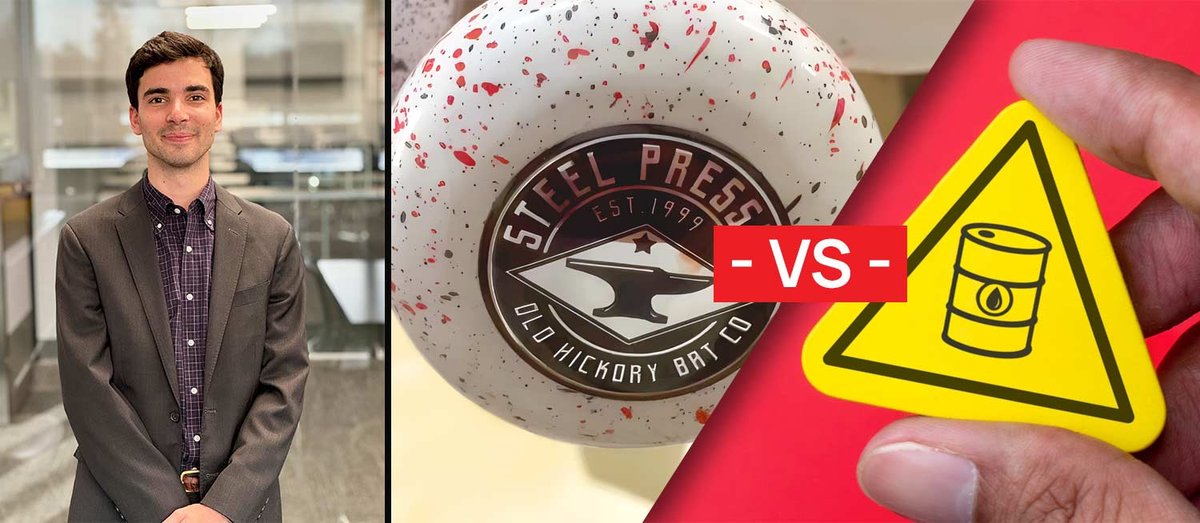
Decorative labels are primarily focused on appearance and branding. They can help a product stand out, reinforce brand identity, and create a more polished or premium appearance.
Decorative labels and emblems can incorporate:
- Company logos and brand names
- Product graphics
- Decorative accents
- Custom colors and finishes
- Tactile or dimensional elements
While decorative labels may not serve a specific functional purpose, they can still have a significant impact on how customers perceive a product. A well-designed label can communicate quality, reinforce brand recognition, and create a more memorable product experience.
For many products, these small visual details can make a big difference. The right finish, texture, shape, or dimensional element can help a product feel more distinctive while keeping the brand front and center.
What Is a Functional Label?
Functional labels serve a specific purpose beyond appearance. Rather than simply enhancing a product’s design, they communicate information or perform a role that helps the product be identified, operated, assembled, or maintained.
Functional labels may include:
- Product identification
- Safety warnings
- Operating instructions
- Component identification
- Installation or maintenance instructions
Because these types of labels often communicate important information, they need to remain legible and securely attached throughout the product’s lifespan. That makes factors such as material, printing, and environmental durability especially important.
We must consider more than how a functional label looks when it's first applied. It also needs to perform in the environment where the product will be used.
Where Function and Design Come Together
Functional and decorative labels don't have to be completely separate. In many applications, the most effective labeling solutions combine aesthetics with performance.
For example, a product emblem can reinforce a company’s brand while also providing clear product identification. A control panel can communicate important operating information while complementing the overall appearance of the product through custom accent colors and dimensional elements.
When we think about a labeling application, we have to consider more than just the design itself. Here are some questions I think about to help determine the right approach:
- Will the label be exposed to sunlight, moisture, or chemicals?
- Will it experience frequent handling or abrasion?
- Will it be applied to a curved or textured surface?
- Does the text need to remain legible for years?
- What is the lifecycle of the product?
Answering these questions early can help manufacturers determine which materials, adhesives, finishes, and construction are best suited for the application.
Choosing the Right Label for Your Product
When selecting a label, we encourage manufacturers to look beyond “What should this label look like?” and ask “What does this label need to do?”
The answer can influence everything from the label’s material and adhesive to its size, shape, finish, and application method. A label designed primarily for branding may have very different requirements from one that needs to withstand harsh environmental conditions or communicate critical operating information.
Ultimately, both functional and decorative labels can add value to a product. The right solution can help strengthen a brand, improve usability, communicate important information, and stand up to the demands of the application.
When we consider the role a label needs to play from the beginning, we can create a solution where design and function work together, rather than treating the label as an afterthought.

More Auld Insights

Behind the Build: How We Turn a Concept Into a Finished Product

The Value of Choosing the Right Label
Join Our Mailing List
Stay a step ahead! Don't miss out on the latest in branding innovation, product and service updates, and industry insights. Sign up to be a part of our Auld community.
Thank you for joining our mailing list!

